Played a bunch of Landlord's Super
Landlord's Super is fascinating - it's an incredibly fiddly construction game where you build shitty, low-rent homes and then rent them out to tenants in a tiny town meant to represent Thatcher-era Bristol, UK.
The game begins with a text monologue where an older family member lectures you on the morals of the time - greed, sneakiness, "getting your bit," making sure you get ahead. You then select your character model by determining what type of immigrant your father was - a migrant from the Caribbean, or a "displaced person." Beneath both of these sequences, the player watches various construction tools and bits of furniture float by in a pool of undulating black ooze. It's not particularly subtle! After getting through this opening, I was certain that the game would be a mocking satire of 80s capitalism.
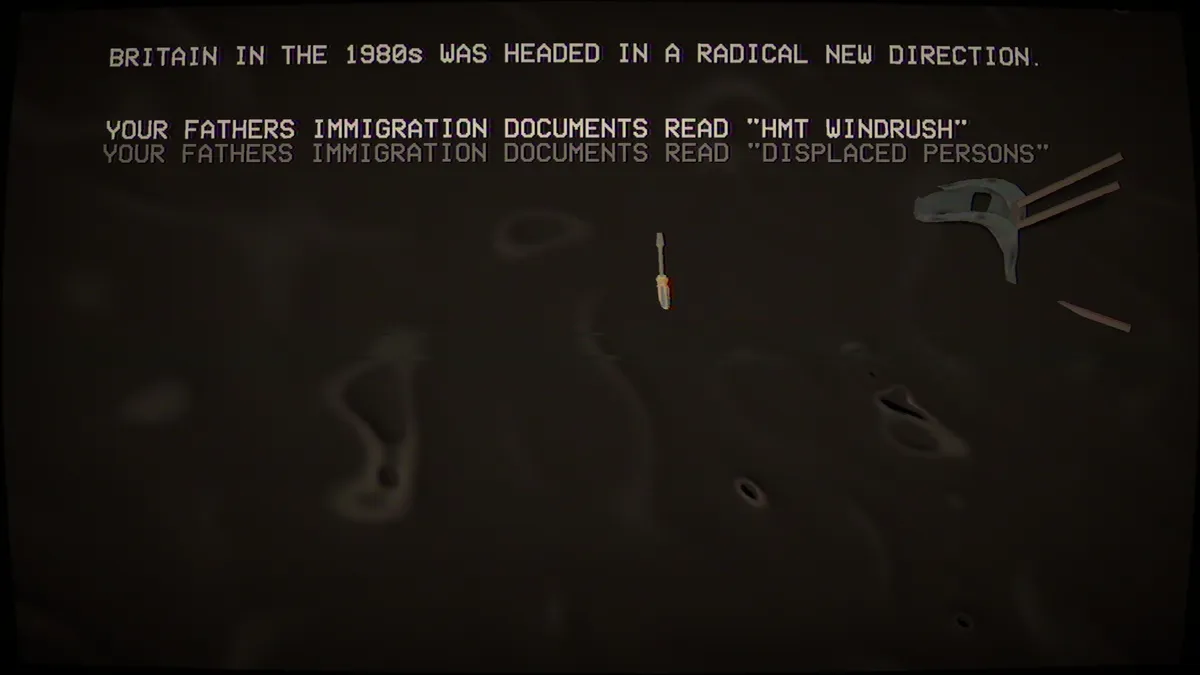
BRITAIN IN THE 1980S WAS HEADED IN A RADICAL NEW DIRECTION.
YOUR FATHERS IMMIGRATION DOCUMENTS READ "HMT WINDRUSH"
YOUR FATHERS IMMIGRATION DOCUMENTS READ "DISPLACED PERSONS"
You then go on to play as either an amoral or a profoundly immoral young man who subsidizes his own construction projects by, perhaps, stealing materials from his neighbors. You are encouraged to do this by the game because you are absolutely broke; the first thing you do in the game is go to the job center to get on welfare. Everyone in town keeps hiring you to do handyman work, but none of them pay you. The game even encourages you to fill your first rental property with dirty furniture and appliances you found dumped in trash heaps by the side of the road.
You can also deliberately do a shoddier job during construction to save money. The construction mechanics retain a lot of your inefficiencies and mistakes, and you're usually making homes which look like absolute shit. It's almost impossible to finish your first big goal - renovating your dead uncle's house - without sneaking and scraping and stealing and scrapping. You are mechanically forced to inhabit the community role of Scummy Guy.
Even after you rent out your first home, you remain pretty poor yourself. You spend the game living in a trailer, forced to eat unhealthy slop at the pub because there is no market in town and you are unable to buy any groceries to cook for yourself. You have a debt with an interest rate that makes it accelerate away from you, acquiring more and more debt every month until it feels like you're trapped. There's definitely a lot of winking-at-80s-capitalism in this early game material.
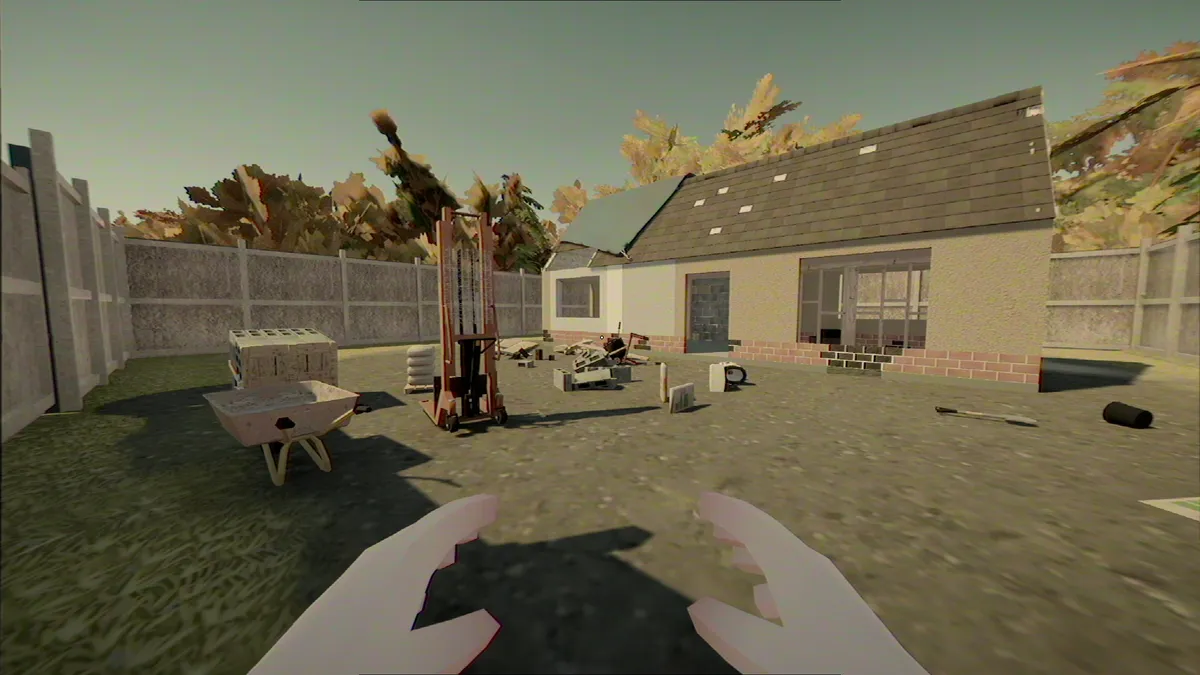
But the longer it goes on, the more the game embraces what I'd call a "gamer brain" understanding of landlords, rent, slumlording, and Thatcher-era Bristol. Making the player play as a slumlord does much more to ally the player with landlords and capital than any of the "poverty gameplay" does to polarize you against Thatcher. This is a game where you succeed at poverty! The game makes the player Do Landlord Stuff, and gives them the opportunity to grow in mastery at Landlord Stuff, or even succeed at Landlord Stuff, too. All that simply makes the game feel like its argument is actually, "Thatcherite Britain wasn't so bad. You could build a house by yourself and rent it out!"
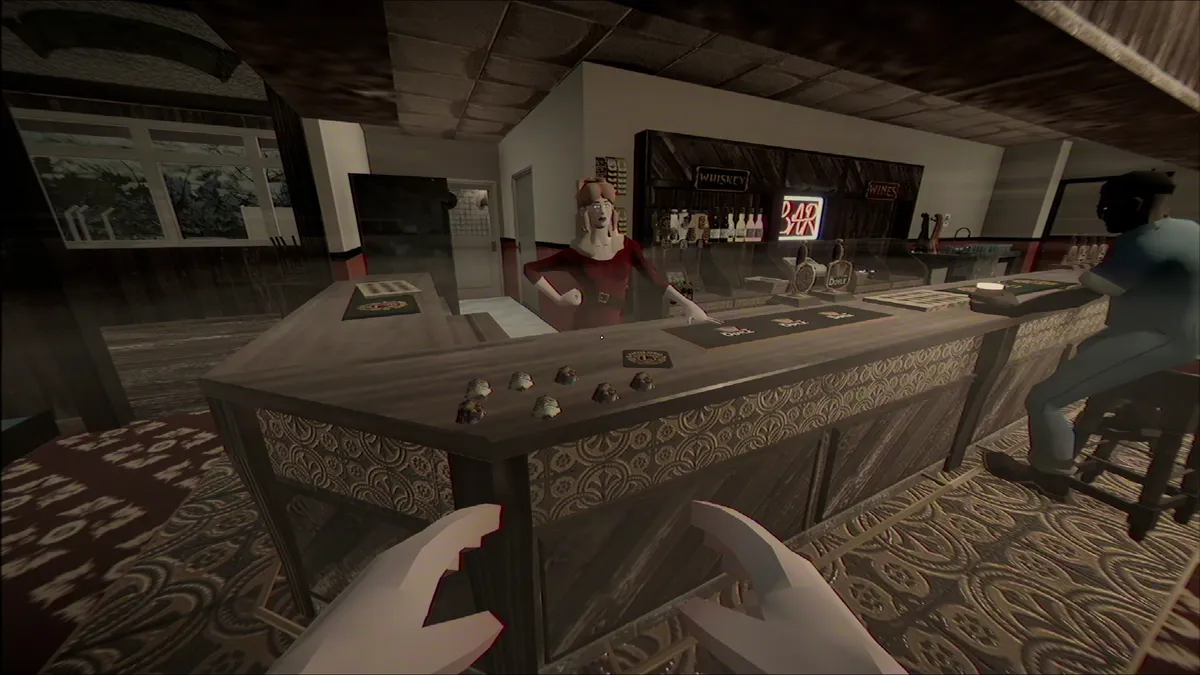
The first chunk of time I spent playing the game - no idea how many hours, but it was certainly more than eight - I was totally focused on rebuilding the first house the game offers you. The most compelling part of the game is definitely this early period, where you're wandering around town collecting junk to sell to the junk man so that you can afford to buy construction materials. The town is full of garbage. The only job you can get is working at the pub washing dishes. Managing your energy level, "calories," hygiene, and wallet is a very well-realized experience. If the game had paired this kind of gameplay with a more robust story, I think they might have been able to get those winks in at Thatcher economics more successfully.
However, you are capable of making constant progress on the house before and after your working hours every day. Every bit of progress you make genuinely increases the rent you will eventually earn from the property. Your only means of escaping debt is to fully buy into this system and become a landlord. It's very, very difficult to add a system like that to a game without sending the message, "poor people should dedicate all their waking hours toward some grand capitalist project, like landlordism and house construction."
I got so lost in the constant progress treadmill toward landlordism that I stopped engaging with other parts of the game - though they're not particularly deep even if you do. The sense that I was exploring a simulation of a particular time period kind of faded away into the background, and I was mostly just concerned with budgeting and construction mechanics. (The construction mechanics are very good.) The game is "fair," in that your mastery of the construction system does allow you to make more money and succeed within the game's world. By succeeding, you just prove to yourself that it was possible to succeed under these conditions.
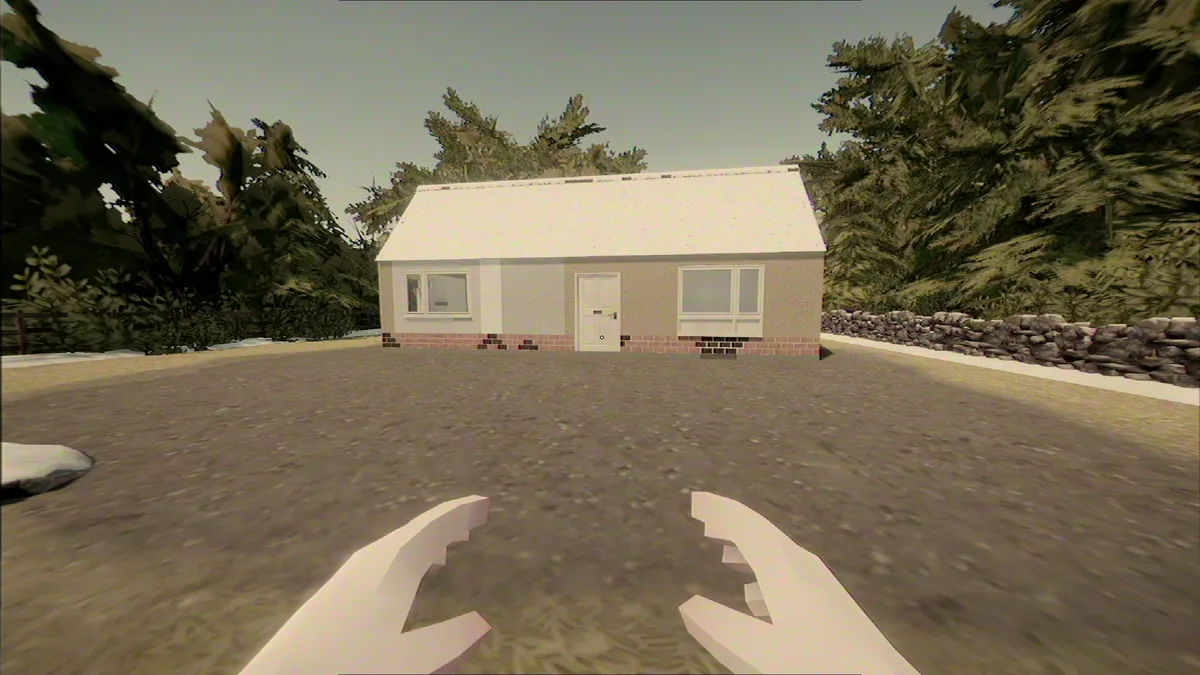
Eventually I finished the house. The game then spends a short story sequence informing you that you are, actually, just a small fry; there's a bigger, meaner guy in town who holds your debt and will plunge you even further into debt as you continue to try and realize the investment you made into your property. This just makes you further committed to slumlording - because you're not the worst guy in town, right? Whoever holds your debt is just forcing you to act this way, right?
The next thing you learn is that all the tenants available to you are so horrible and damaging to your property that it might cost nearly everything you're earning just to fix it up again after they've ruined it. The early-game tenants are so outrageously adversarial and destructive! The game really has no sympathy for them and doesn't want you to have any, either. There's a promise that if you increase the value of the house, wealthier tenants will move in, and they will do less physical damage. I haven't managed to renovate the house for better tenants yet... because my low-rent tenants won't move out!
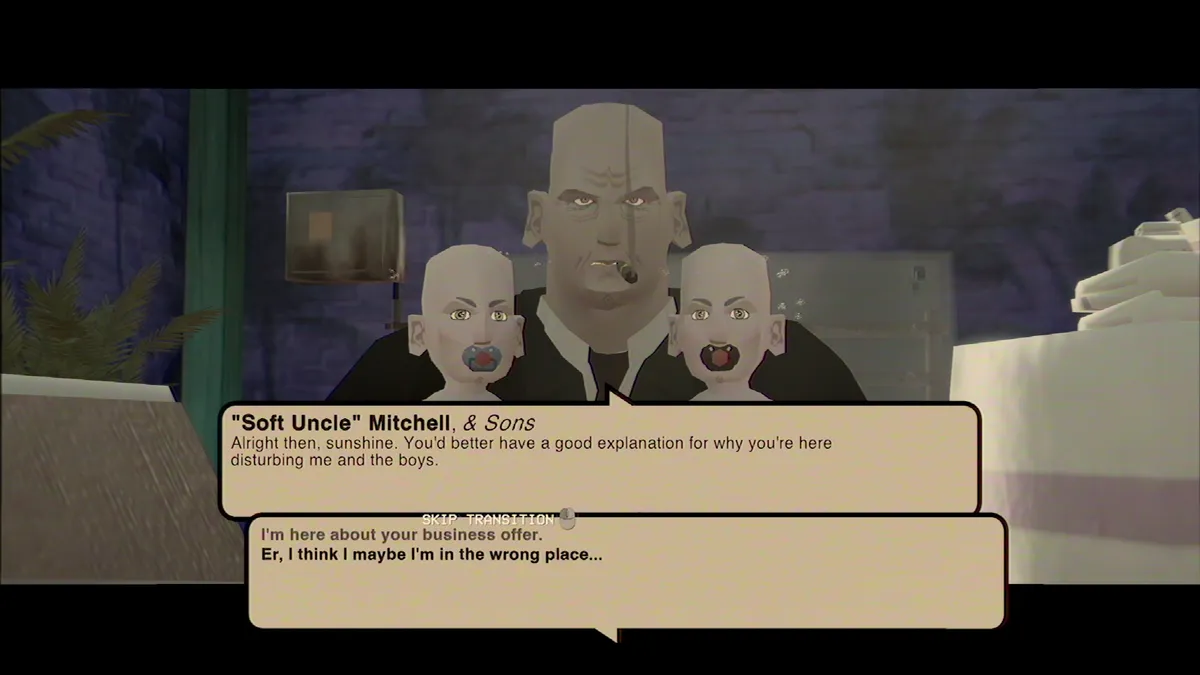
The game basically feels like it changed its own politics during development! It's very, very odd that this game starts with an oozing pile of capitalism slime and a comment about Windrush, then spends the entire runtime trying to build your sympathy for slumlords. The tenant mechanics are the craziest part of all this to me - I think the game's message would stand a better chance of hitting if the tenants were not mechanically categorized as "Louts" and "Oafs" who wreck your property. If the game wanted to wink at your behavior, I think you should have been forced to rent your terrible slumlord house out to a sweet, innocent family, or something.
I'd be fascinated to read someone who is from this place and was alive at this time talking about the game's politics. I think it's just suffering from a fatal dose of Gamer Brain... the curse of agency within a system! I don't think it's possible to make a game with "succeed at 80s capitalism" mechanics which convinces you that 80s capitalism was bad. If you're not brave enough to force the player to fail, then giving a player agency within a system is a terrible way of convincing them that the system doesn't work. If you want to do that, you're really going to have to mechanically require failure. You're going to have to make the player mad. But this simply isn't that kind of game...
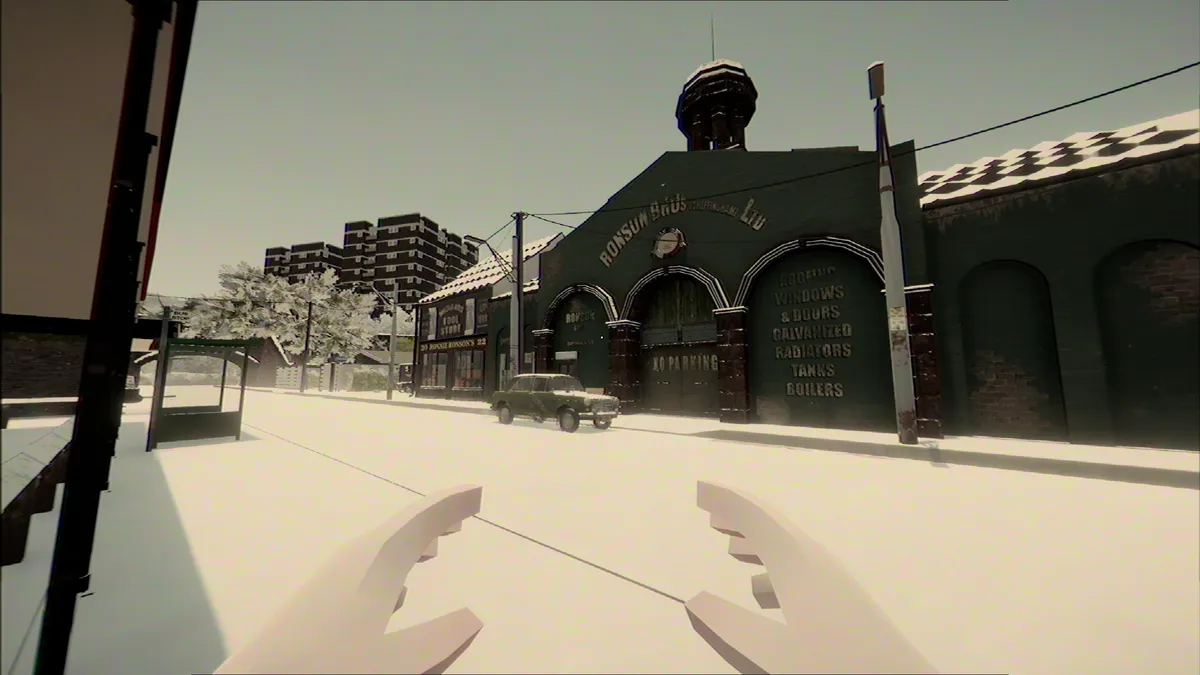
That said, I have not "finished" the game yet. My Steam playtime is at 11 hours, though, so I've probably gotten further in this game than many players do. The game is also open-ended, like a lot of construction/survival games - you could probably continue playing it forever.
I just finished building my first house, and I've been renting it out for nearly a month. When those tenants leave, I will be able to renovate it and attract a higher class of tenant - quite literally. However, I'll likely have to go into greater debt to afford this. I can imagine that the game's debt mechanics might end up being its main message, because they're very aggressive. I don't think the debt mechanics alone can weigh out the other material I discussed above, however. If the game goes all-in on a story about debt, it will just make the player even more sympathetic to the plight of the debt-burdened, "mom-and-pop" thieving junkman slumlord.
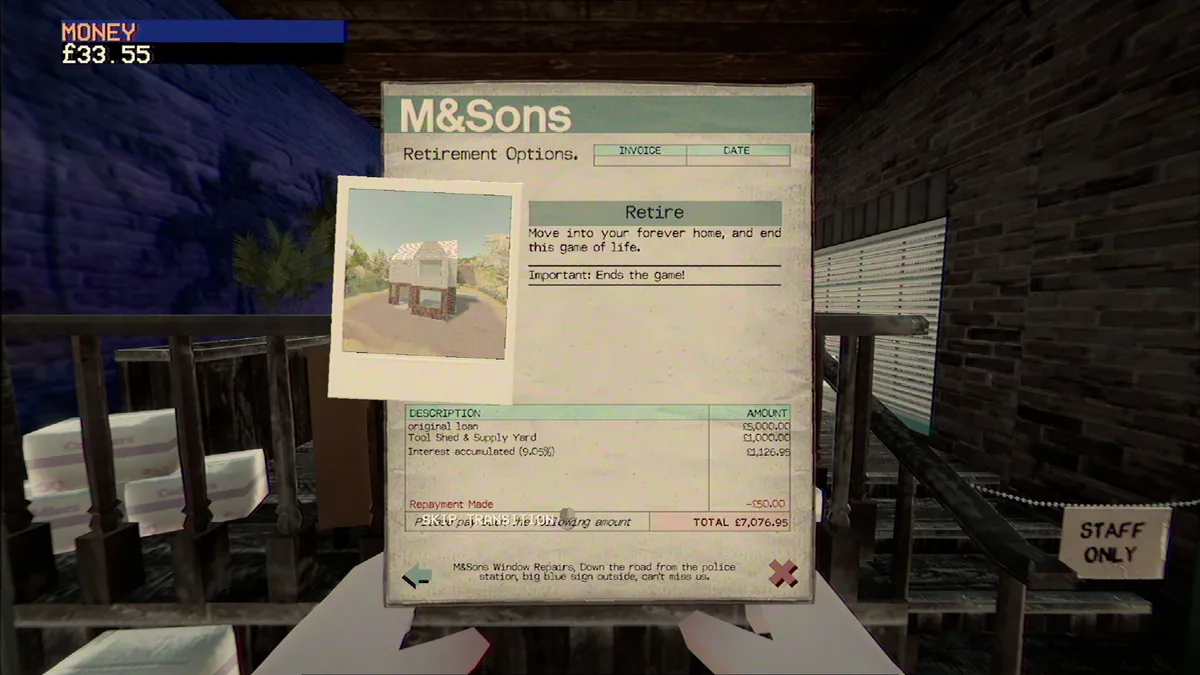
The other thing the game allows you to do is to quit being a landlord by building a "retirement home" for yourself. The UI warns you that when you complete this house, the game ends. If I get tired of trying to renovate the house, I might do this instead. I could see this possibly bringing the game around to a more interesting place.
I'm still unsure whether the 80s simulation is meant to strike anyone as particularly realistic. I doubt that the lifestyle this game depicts - dishwasher in the afternoon, homebuilder in the mornings, wannabe-landlord all the time - really reflects any person's life in Thatcher Britain. I'm not British, so I don't know if this type of person is emblematic of any social class or "type of guy" Bristolians would know about.
It just seems very unlikely!! Most media I've seen about this period didn't give its dishwasher-class characters access to developable land!!